
Chickpea Spray Management for Higher Yield
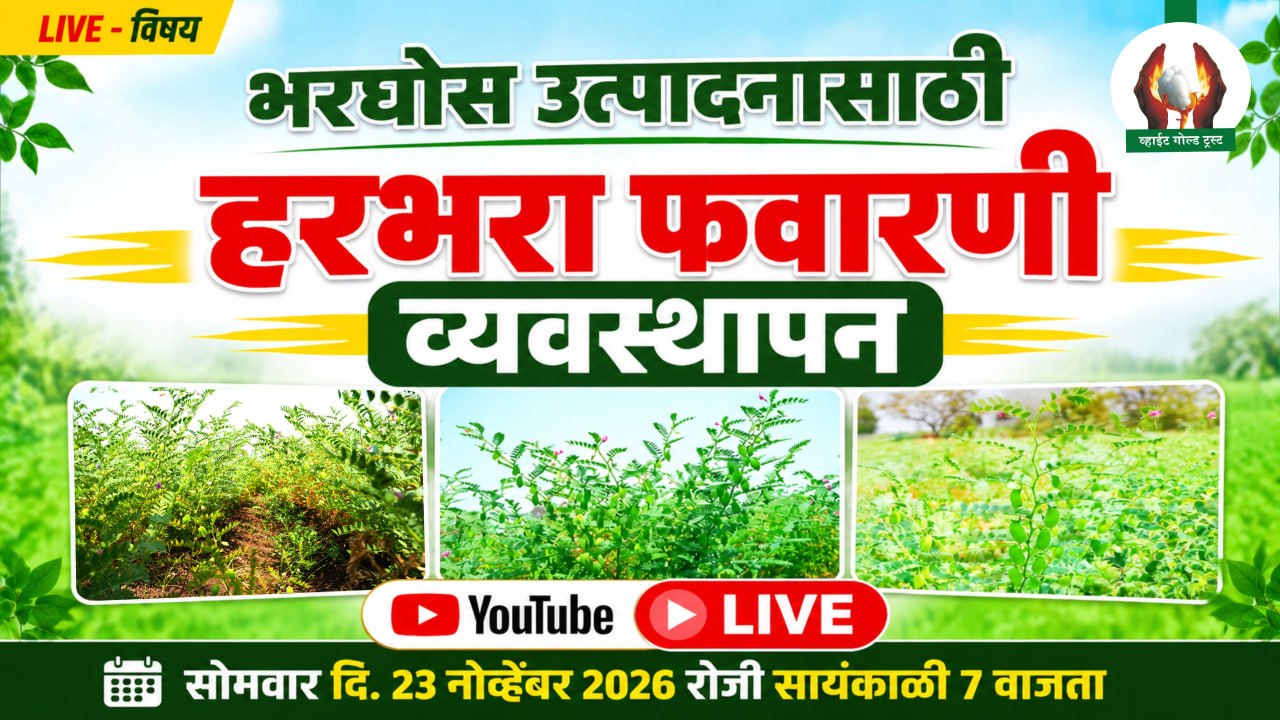
Complete Chickpea Crop and Spray Management for Higher Yield
Chickpea (Gram/Chana) is one of the most important Rabi crops grown across India. To achieve good yield and quality produce, farmers need to follow proper crop management practices from sowing to harvesting.
Timely sowing, balanced nutrition, proper irrigation, disease management and stage-wise spraying play an important role in the overall growth and productivity of chickpea.
In this blog, we explain important practices for better chickpea crop management.
1. Timely Sowing and Proper Sowing Method
Timely sowing is one of the most important factors affecting chickpea yield. Delayed sowing can reduce crop productivity.
For better crop establishment, farmers can consider the following sowing methods:
-
BBF (Broad Bed and Furrow) method
-
Ridge and furrow method
-
Paired-row sowing method
These methods help improve field management, save seeds and make irrigation and spraying easier.
2. Seed Treatment and Soil Disease Management
Soil-borne diseases such as Fusarium wilt and root rot can seriously affect chickpea plants.
As mentioned in the crop management programme:
-
Treat seeds with Trichoboost DX at 5 grams per kg of seed, as per the recommended treatment procedure.
-
Apply 500 grams of Trichoboost DX per acre by mixing it with soil, sand or fertilizer before or during sowing.
Preventive management at the initial stage helps reduce the risk of soil-borne diseases.
3. Fertilizer Management
Fertilizer selection should depend on soil type and crop growth.
For light soils with lower crop growth:
-
20:20:0:13 or 24:24:0:8
-
1 to 1.5 bags per acre
For medium soils:
-
DAP, 12:32:16, 14:35:14 or 10:26:26
-
1 to 1.5 bags per acre
For heavy soils with vigorous crop growth:
-
Single Super Phosphate
-
2 to 3 bags per acre
The presentation also mentions the use of biological fertilizers, microbial fertilizers and NPK Boost DX at 500 grams per acre.
Select the fertilizer dose according to soil test results and local agricultural recommendations.
4. Irrigation Management
Chickpea requires careful irrigation management.
-
Give the first irrigation during the vegetative growth stage if required.
-
Provide irrigation around the beginning of flowering, depending on soil moisture and crop condition.
-
Avoid excessive irrigation during full flowering.
-
Ensure proper drainage to prevent waterlogging and root diseases.
5. Intercultural Operations and Topping
Weed management and intercultural operations are important for healthy crop growth.
-
Carry out intercultural operations before flowering wherever possible.
-
Remove unwanted plants and weeds.
-
Topping or pinching around 22–25 days after sowing is mentioned in the presentation to encourage branching.
Where manual topping is not possible, the presentation mentions Top-Up at 50 ml + 12:61:00 at 125 grams per spray pump. Use only after confirming the product label and suitability for the crop stage.
6. Important Diseases in Chickpea
Chickpea may be affected by several soil-borne diseases, including:
-
Fusarium wilt
-
Dry root rot
-
Collar rot
-
Wet root rot
-
Black root rot
-
Rhizoctonia solani
-
Sclerotium rot
Common symptoms:
-
Yellowing of leaves
-
Sudden drying of individual plants
-
Root and collar rot
-
Poor plant growth
-
Browning or blackening of roots
Regular field monitoring and preventive measures are important. Identify the disease correctly before selecting a treatment.
7. Chickpea Spray Management at Different Growth Stages
Spray management should be planned according to the crop's growth stage and actual field conditions.
First Spray – Vegetative Growth Stage
The presentation mentions:
-
Iman – 15 grams
-
Top-Up – 50 ml
-
Paris 19:19:19 – 125 grams
For fields with higher wilt incidence, it also mentions Pixel, Cryptox or Elliot – 40 grams.
Second Spray – Branching and Crop Development Stage
The presentation mentions:
-
Sinjo – 10 ml
-
Zep – 20 ml
-
Paris 12:61:00 – 125 grams
-
Propico – 25 ml
Third Spray – Full Flowering Stage
The presentation mentions:
-
Ravdi / Sinjo – 20 ml
-
Bharari – 10 ml
-
Sukhai – 40 ml
-
Paris 00:52:34 – 125 grams
Fourth Spray – Pod Development and Filling Stage
The presentation mentions the following options:
Option 1:
-
Vitara Plus – 50 ml
Option 2:
-
Sinjo – 10 ml
-
Bharari – 10 ml
-
Visulf – 50 grams
-
Big-B – 125 grams
Alternative:
-
Paris 13:00:45 – 125 grams
These are the formulations and quantities discussed in the presentation. Confirm the current product label, crop registration, compatibility and recommended dose before application. Do not mix products without checking compatibility.
8. Pod Borer Management
Pod borer is one of the major insect pests affecting chickpea yield.
The presentation mentions the following products as management options:
-
Ravdi – 20 ml
-
Iman – 15 grams
-
Musket – 40 ml
-
Sinjo – 10 ml
-
Vitara Plus – 50 ml
Use one suitable option based on pest identification, crop condition and label recommendations. Rotate insecticide modes of action to reduce resistance risk.
Non-Chemical Management
-
Install bird perches in the field to encourage insect-eating birds.
-
The presentation suggests approximately 10–12 perches per acre.
-
Intercropping or sowing Rabi sorghum with chickpea is also mentioned as a traditional field-management practice.
9. Protection from Frost
Low temperatures and frost can affect chickpea growth and flowering.
The presentation suggests:
-
Creating smoke or small bonfires around the field in the evening as a traditional frost-protection practice.
-
If frost occurs, applying water in the morning is suggested.
-
Any fungicide application should be based on actual disease symptoms and expert advice, not simply because frost has occurred.
Conclusion
Successful chickpea cultivation requires proper planning at every stage. Timely sowing, suitable planting methods, seed treatment, balanced fertilizer application, need-based irrigation, disease monitoring and stage-wise spray management can help farmers improve crop performance.
Farmers should always follow local agricultural recommendations and product label instructions before using any pesticide or fertilizer.
Watch the Complete Video for More Information
For a detailed explanation of chickpea spray management, crop nutrition, disease control and practical recommendations, watch our complete YouTube LIVE session.
Watch here: https://youtube.com/live/B1HrrJox5X8
For more agricultural information and crop guidance, stay connected with Booster Plant Genetics Pvt. Ltd.